Stop making customers think: why do quizzes beat filters?
Why do 70% of users abandon catalogs? We explore the psychology of "choice paralysis" and explain how a quiz recommender converts visitors into buyers.
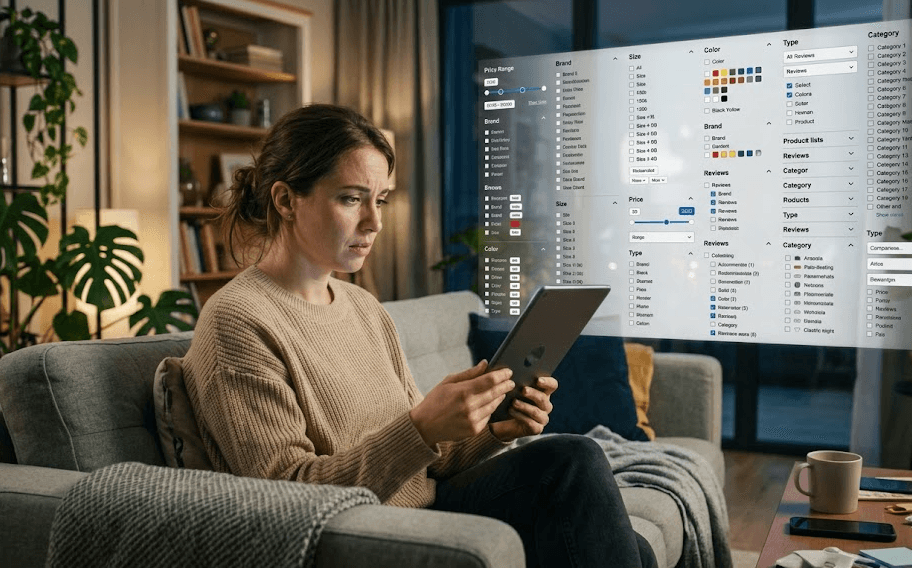
Have you ever walked into a huge home improvement store looking for "just a light bulb" and found yourself frozen in front of a rack of hundreds of options, unsure which socket or luminous flux you needed? At that moment, you experienced what psychologists call "choice paralysis."
The same thing is happening in online stores. Owners spend thousands of dollars expanding their product range, but they forget: the more products they have, the harder it is to sell them. Let's explore why traditional filters are starting to lose out to quizzes and how the psychology of choice controls your wallet.
The Problem with Cold Search: Filters Make It Work
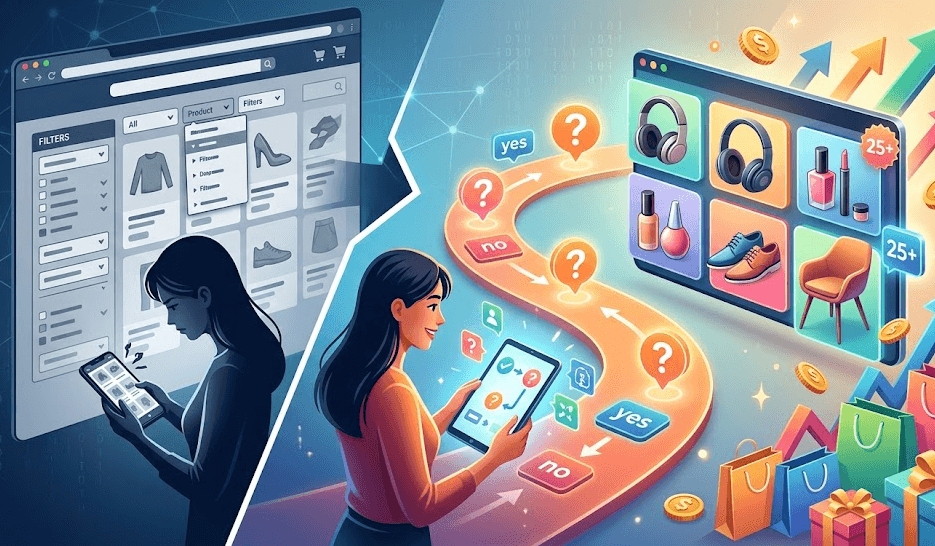
The standard filters in the website's sidebar are a tool for experts. To use them, the buyer must know the specifications: power, volume, material, and connector type.
But here's the problem: today's buyers don't want to be experts. They want to solve their own problems.
The filter asks, "What focal length of lens do you need?"
The buyer thinks, “I just want to take a nice photo of the cat and blur the background.”
When a user sees 20 filters, their cognitive load increases. The brain expends energy on analysis, gets tired, and whispers, "It's too complicated, let's look at it tomorrow." That "tomorrow" usually never comes.
The Magic of a Quiz: Why Q&A Is a Relief
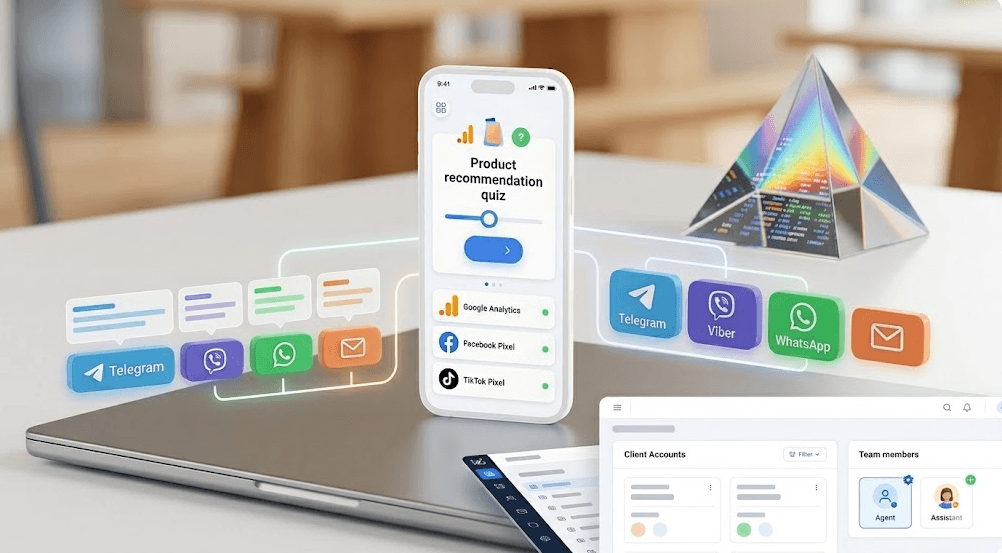
A quiz recommendation engine changes the rules of the game. It shifts the burden of product selection from the customer to an algorithm. Instead of forcing people to browse your catalog, you invite them to a dialogue.
Why does this work on a subconscious level?
Responsibility reduction. When the system says, "Based on your answers, we've selected these 3 models," it takes some of the responsibility for the selection off your hands. It's easier for the customer to click "Buy."
The IKEA effect. By answering questions, users invest their time and effort in the process. We value more something we've helped create ourselves (even if it's just answering quizzes).
Personalization. In a world of mass production, everyone wants to feel special. A quiz creates the illusion of personalized service, like in a high-end boutique.
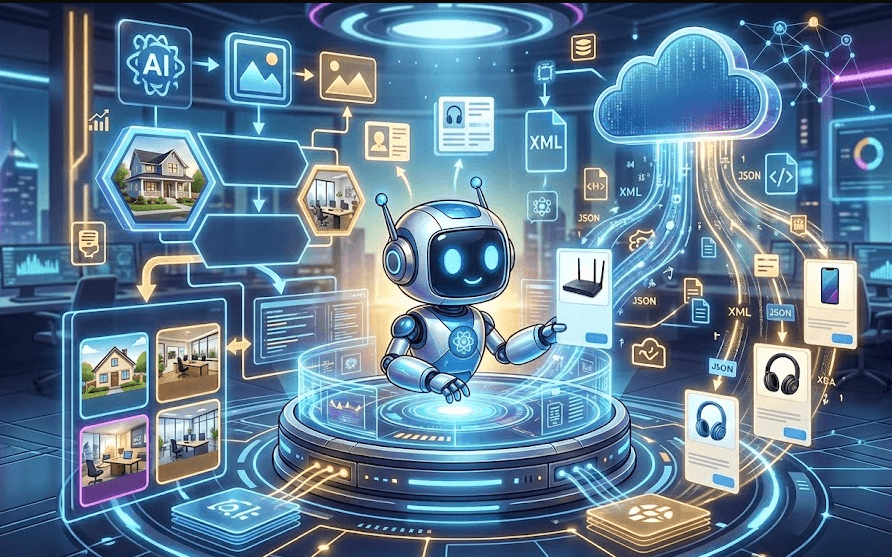
IziUp's take: Our graph editor lets you build a logic system so that customers don't just see a list of products, but also receive a response to their query. If they say they're looking for a gift for their mom, the results will only show products that fit that scenario, with holiday-themed packaging in the recommendations.
Where do filters fail completely?
There are three situations when a quiz is the only way to save conversion:
Complex products. Electronics, water purification systems, insurance policies. Where the cost of error is high and the terms are unclear.
Emotional shopping. Cosmetics, perfumes, home decor. It's important to match the mood and style, not the "size in millimeters."
Gifts. When someone is looking for something not for themselves, they don't really understand the parameters. They need a "smart assistant."
Verdict: Should we remove filters completely?
No. Filters are needed by the 10% of "savvy" users who know exactly what they're looking for. But for the remaining 90%, a quiz will be the conversion layer that turns them from passersby into buyers.
A quiz isn't just a questionnaire. It's a way to save your client's time and energy. And in 2026, loyalty is bought with simplicity.